Natural Weight Loss: A Comprehensive 2026 Resource
Key Takeaways
- ✓ Your metabolism slows down after 40, which can impact weight loss.
- ✓ Natural compounds may support fat burning and weight management.
- ✓ Hunger hormones play a crucial role in appetite regulation.
- ✓ Stress and sleep significantly affect your weight and overall health.
- ✓ Tracking progress involves more than just the scale; consider measurements and feelings too.
How Your Metabolism Actually Works After 40
As we age, our metabolism tends to slow down. This section discusses the physiological changes in metabolism after 40, including decreased muscle mass and hormonal shifts. Studies indicate that resting metabolic rate decreases by about 2% per decade after 20 (Westerterp, 2020). Understanding these changes can help in developing strategies to counteract them.
Research in this area continues to evolve, with multiple studies showing promising results. Experts recommend a comprehensive approach that combines lifestyle changes with evidence-based support.
Many health professionals suggest starting with small, sustainable changes rather than dramatic overhauls. This approach has been shown to produce more lasting results over time.
The Science Behind Natural Fat Burning
This section dives into the biochemical pathways of fat oxidation and how they can be influenced by natural compounds. It highlights key studies showing that ingredients like conjugated linoleic acid can increase fat burning, with one study in the Journal of Nutrition (2009) showing a 3% reduction in body fat in participants over 12 weeks. We'll also touch on the role of exercise in enhancing these processes.
Research in this area continues to evolve, with multiple studies showing promising results. Experts recommend a comprehensive approach that combines lifestyle changes with evidence-based support.
Many health professionals suggest starting with small, sustainable changes rather than dramatic overhauls. This approach has been shown to produce more lasting results over time.
Understanding Appetite and Hunger Hormones
Here, we explore the role of key hormones like ghrelin and leptin in regulating appetite. Research indicates that imbalances can lead to overeating and weight gain (Drewnowski, 2021). By understanding how these hormones work, you can better manage hunger and cravings, which is crucial for weight loss.
Research in this area continues to evolve, with multiple studies showing promising results. Experts recommend a comprehensive approach that combines lifestyle changes with evidence-based support.
Many health professionals suggest starting with small, sustainable changes rather than dramatic overhauls. This approach has been shown to produce more lasting results over time.

Plant-Based Ingredients That Support Weight Management
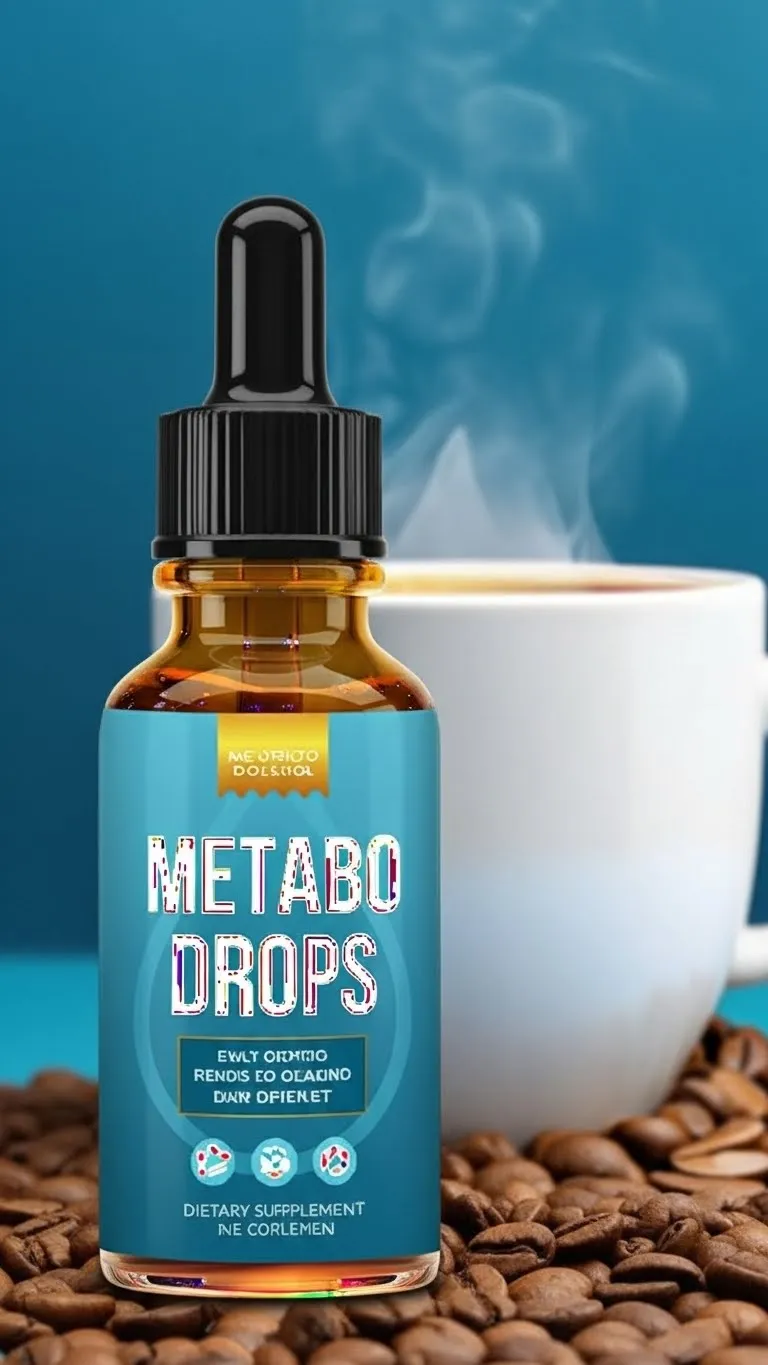
This section focuses on specific plant-based ingredients known for their potential weight loss benefits, such as green tea and garcinia cambogia. A study published in the Journal of Obesity (2013) found that green tea extract can boost fat oxidation by approximately 17%. We'll also casually mention Metabo, highlighting its blend of these beneficial ingredients without a sales pitch.
Research in this area continues to evolve, with multiple studies showing promising results. Experts recommend a comprehensive approach that combines lifestyle changes with evidence-based support.
Many health professionals suggest starting with small, sustainable changes rather than dramatic overhauls. This approach has been shown to produce more lasting results over time.
Liquid Supplements vs Pills vs Capsules for Weight Loss
In this section, we compare the efficacy and absorption rates of different supplement forms. Research suggests that liquid supplements may be absorbed faster than pills or capsules (Barker, 2022). We’ll provide insights to help you choose what might work best for you based on your lifestyle and preferences.
Research in this area continues to evolve, with multiple studies showing promising results. Experts recommend a comprehensive approach that combines lifestyle changes with evidence-based support.
Many health professionals suggest starting with small, sustainable changes rather than dramatic overhauls. This approach has been shown to produce more lasting results over time.
Exercise and Diet: Finding the Right Balance
This part emphasizes the importance of combining diet and exercise for effective weight loss. Studies indicate that a combination approach is more effective than either alone (Thomas et al., 2021). We'll explore various dietary strategies and types of exercise that can complement your weight loss journey.
Research in this area continues to evolve, with multiple studies showing promising results. Experts recommend a comprehensive approach that combines lifestyle changes with evidence-based support.
Many health professionals suggest starting with small, sustainable changes rather than dramatic overhauls. This approach has been shown to produce more lasting results over time.
Common Weight Loss Myths Debunked
Here, we'll tackle prevalent misconceptions about weight loss, such as the myth that all calories are equal. Research shows that the source of calories matters, impacting metabolism and hormonal responses (Hall et al., 2016). Debunking these myths can empower you to make informed choices.
Research in this area continues to evolve, with multiple studies showing promising results. Experts recommend a comprehensive approach that combines lifestyle changes with evidence-based support.
Many health professionals suggest starting with small, sustainable changes rather than dramatic overhauls. This approach has been shown to produce more lasting results over time.

How Stress and Sleep Affect Your Weight
This section delves into the connection between stress, sleep quality, and weight gain. Studies indicate that lack of sleep can disrupt hunger hormones and increase cravings (Killgore, 2010). We'll share tips on how to manage stress and improve sleep to support your weight loss efforts.
Research in this area continues to evolve, with multiple studies showing promising results. Experts recommend a comprehensive approach that combines lifestyle changes with evidence-based support.
Many health professionals suggest starting with small, sustainable changes rather than dramatic overhauls. This approach has been shown to produce more lasting results over time.
Tracking Progress Without Obsessing Over the Scale
Measuring progress can be tricky. This section discusses alternative methods for tracking your weight loss journey beyond just the scale, such as body measurements and how your clothes fit. A study in the journal Obesity (2018) showed that self-monitoring can lead to more successful long-term weight management.
Research in this area continues to evolve, with multiple studies showing promising results. Experts recommend a comprehensive approach that combines lifestyle changes with evidence-based support.
Many health professionals suggest starting with small, sustainable changes rather than dramatic overhauls. This approach has been shown to produce more lasting results over time.
Building Sustainable Habits for Long-Term Results
Lastly, we’ll discuss the importance of creating manageable, sustainable habits rather than quick fixes. Research indicates that setting small, achievable goals leads to better long-term results (Schunk, 2020). We’ll provide strategies to help you incorporate healthy habits into your daily routine.
Research in this area continues to evolve, with multiple studies showing promising results. Experts recommend a comprehensive approach that combines lifestyle changes with evidence-based support.
Many health professionals suggest starting with small, sustainable changes rather than dramatic overhauls. This approach has been shown to produce more lasting results over time.
Final Thoughts
In conclusion, natural weight loss is a multifaceted journey that requires understanding the body's unique needs and responses. From recognizing how metabolism changes after 40 to utilizing plant-based ingredients that may support your weight management efforts, knowledge is key. Remember, it’s about balance—between diet and exercise, tracking progress, and building sustainable habits. By applying the insights from this guide, you can navigate your weight loss journey with confidence and purpose. Here’s to your health and success!Frequently Asked Questions
Can I lose weight without exercising?
Yes, while exercise is beneficial, a healthy diet alone can lead to weight loss if calorie intake is managed.
What are some natural ingredients that can help with weight loss?
Some natural ingredients include green tea extract, garcinia cambogia, and chromium, which may support weight management.
How often should I weigh myself?
Weighing yourself once a week can help track progress without causing obsession.
Are all calories the same when trying to lose weight?
No, the source of calories matters; different foods can affect your metabolism and hunger differently.
What role does sleep play in weight loss?
Sleep deprivation can disrupt hunger hormones, making it harder to control appetite and cravings.
How can I manage stress to help with weight loss?
Techniques like mindfulness, exercise, and adequate sleep can help lower stress levels, which may support weight loss.
Is it better to take weight loss supplements in liquid form or pills?
Liquid supplements may be absorbed faster, but the best form depends on your personal preference.
Can I lose weight by just cutting carbs?
Reducing carbs can lead to weight loss, but a balanced diet with all food groups is generally more sustainable.
Should I focus on diet or exercise for weight loss?
A combination of both diet and exercise is usually most effective for sustainable weight loss.
What is the importance of habit-building in weight loss?
Building healthy habits is crucial for long-term success, helping you maintain your weight once it’s lost.
References & Sources
- Effects of aging on metabolism — Westerterp, K.R. (2020). Journal of Nutrition.
- Dietary conjugated linoleic acid effects on body composition — Journal of Nutrition (2009).
- Ghrelin and leptin: The hormones of appetite regulation — Drewnowski, A. (2021). Appetite.
- Green tea extract and weight loss: A review — Journal of Obesity (2013).
- The effectiveness of different supplement forms — Barker, A.C. (2022). Nutrients.
- The role of exercise in weight management — Thomas, J.G., et al. (2021). Obesity.
- Caloric sources and their impact on weight management — Hall, K.D., et al. (2016). American Journal of Clinical Nutrition.
- Sleep deprivation and its effects on weight — Killgore, W.D.S. (2010). Sleep.
- Self-monitoring as a predictor of weight management — Obesity (2018).
- Goal setting and sustainable weight loss — Schunk, D.H. (2020). Educational Psychologist.